

















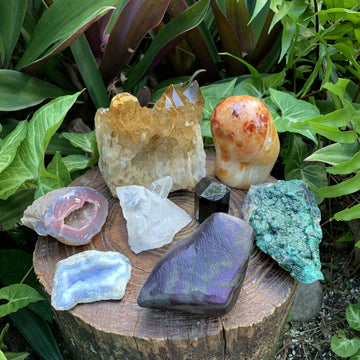








Not all suppliers are equal. Here are the five questions that separate transparent sourcing from marketing speak, plus what the answers actually tell you.
5 Questions to Ask an Ethical Crystal Supplier

You're ready to buy from a new supplier or source. You know you should ask questions, but you're not sure which ones matter. It's easy to get lost in the details. Here are the five questions that do the real work. Ask them every time, and you'll know more about a supplier's actual sourcing than most buyers ever will.
Where do you source from, and how do you verify origin?
This is your foundation question. You need to know whether they source direct from producers, through importers, or from middlemen. And you need to know how they verify what they claim. "We have relationships with our suppliers" is not verification. "We get documentation from each shipment" or "We've visited the production site" is. A supplier who can't tell you how they verify is guessing.
How long have you worked with your current suppliers?
Time in a relationship usually correlates with trust. If they're changing suppliers constantly to chase the lowest price, they're not building relationships. They're shopping. That matters. Producers who know a buyer will come back next month and the month after take different care of their work. Suppliers chasing quarterly deals take shortcuts.
What treatments does this material receive, and can you prove it?
Ask specifically. Dyed or not. Heated or not. Coated or not. Stabilized or not. A supplier who says "most of this is natural" is hedging. They should be able to tell you what percentage receives each treatment, or they don't know their own inventory. Ask for documentation. Ask for photos if the treatment affects appearance. A supplier who can't produce evidence is selling you secondhand information.
If I get damaged material or something doesn't match the photos, what's your policy?
This reveals how they handle problems. Do they stand behind their inventory? Do they replace? Do they refund? Do they blame you for not inspecting carefully enough? A supplier who acknowledges breakage and damage as normal parts of the business and has a clear policy is one you can work with. A supplier who gets defensive is telling you they're not used to having problems solved.
Can you introduce me to one supplier you're comfortable being transparent about?
This is your honesty test. A supplier who can name names and offer an introduction is confident about their relationships. A supplier who says "it's safer not to share details" or "my suppliers prefer privacy" is making excuses. Real transparency isn't a secret.
What you're actually learning
A supplier who can answer all five questions clearly is working with standards. A supplier who hesitates on any of them is filling gaps with assumptions or optimism. Neither is necessarily a dealbreaker. But you need to know which one you're dealing with before you build your sourcing around them.
Ask these questions, compare the answers, and you'll have a clearer picture than most people in this industry.
Keep reading
If you want to go deeper from here, you can read honest sourcing standards, are crystals ethically sourced, spot fake ethical shops, or greenwashing red flags.
You can also browse our Beyond Ethical collection if you'd like to see what we currently carry.
For the longer version of this process, including how to check what a supplier tells you, see our guide to finding ethical crystal suppliers.
Frequently asked questions
What's the most important question to ask a crystal supplier?
"What country and region is this from?" If they can answer with specifics, you've got a starting point. If they answer with a vague continent, you've got your answer.
How many questions should I ask before buying?
Three or four is usually enough. Country, treatments, supplier relationship, and what happens if there's a problem. The answers separate honest sellers from marketing-first ones quickly.
What are warning sign answers?
"Sourced ethically from around the world" is a non-answer. "We can't share that" without a reason is a non-answer. Polished marketing language with no specifics is the biggest signal.
Should I expect every supplier to know everything?
No. Honest suppliers will tell you what they know and what they don't. The willingness to admit limits is the strongest trust signal in this industry.